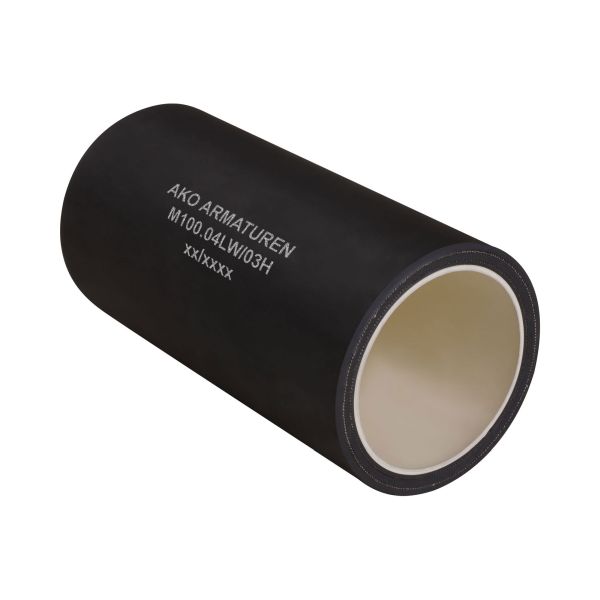
The lifetime of a Pinch Valve Sleeve is a very hard question to answer since every application is different. Some sleeves can perform up to 500,000 cycles over a period of 3+ years and some need replacing after 6 months after fewer cycles. If a pinch valve is held in the normally open position and…
Sugar is like a fine grit material and can be fairly abrasive against soft parts of equipment in a conveying line. However, if the right kind of products and equipment are used correctly, with the right amount of pressure according to the application, this abrasion issue can be rectified. Pneumatic Conveying Sugar Application Details A…
Selecting a Valve to work alongside a Filter Press A flow control company working on a job for the end user was looking for some assistance with a valve selection. The proposed arrangement of a filter press and its discharge chute to a drum filling enclosure were to have two actuated valves assembled to the…
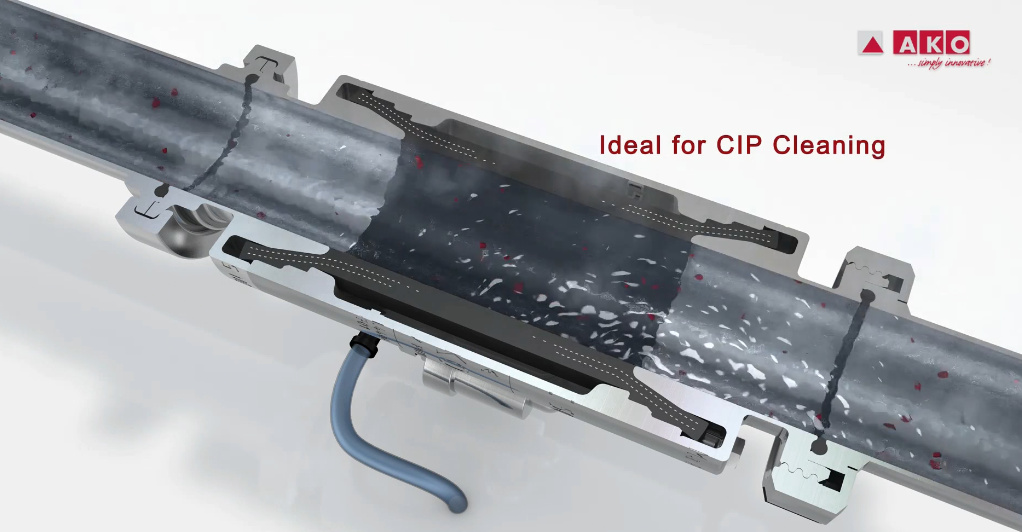
After watching a demonstration video of AKO’s VMCE type Pinch Valves, a company manufacturing soft cheese were keen to use them to replace existing butterfly valves on site. They were particularly impressed by the fact that the Pinch Valve is hygienic and CIP (clean in place) capable. AKO offered a food quality EPDM internal rubber…
AKO Pinch Valves Last 8 Years to date without Failures A division of a large company producing specialist ice pigging equipment have successfully been using AKO Pinch Valves for 8 years. Pigging is the practice of cleaning a pipeline using devices generally referred to as pigs or scrapers, to perform various maintenance operations. This is…
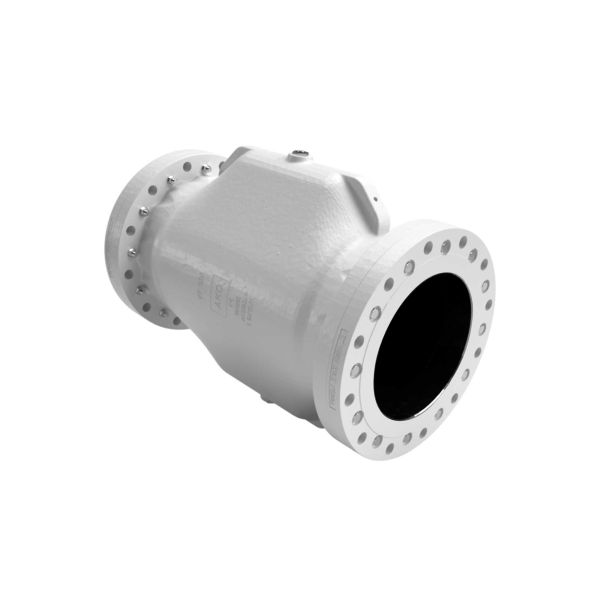
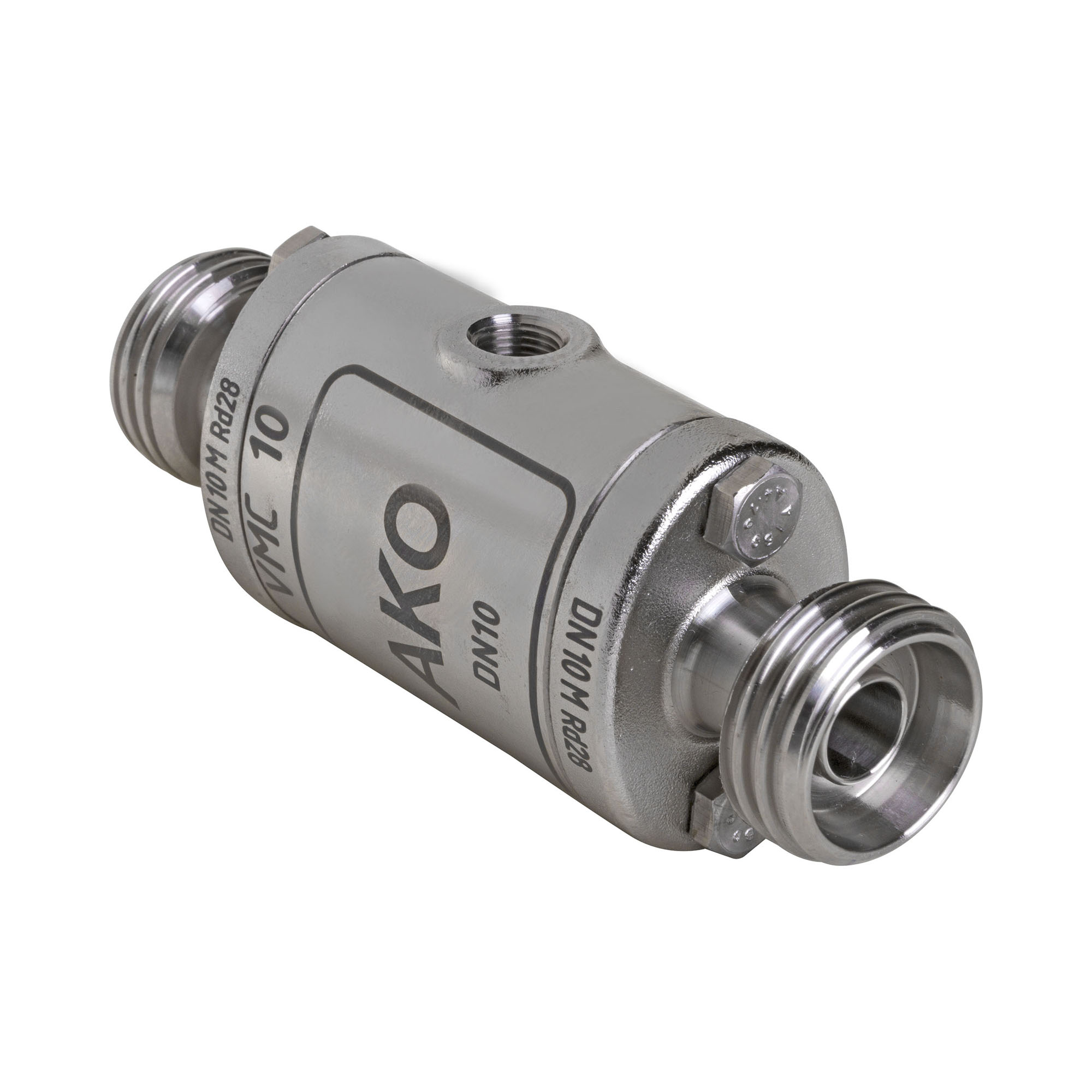
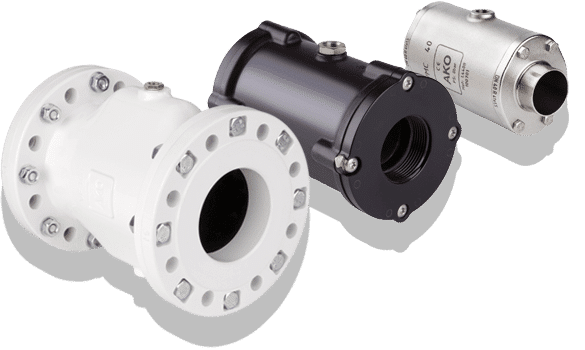
AKO’s Pinch Valve range covers a diverse selection of sizes, body materials, end connections and internal rubber sleeve materials. This gives the user a huge advantage over other valve types on the market because the AKO Pinch Valve will be suitable for almost every application.
The Background of AKO AKO is a family run company with the head office based in Germany, and subsidiaries based in the UK and France, with distributors of AKO products in countries all over the world. AKO is proud to have been in business for over 30 years now, manufacturing and supplying their Pinch Valve…
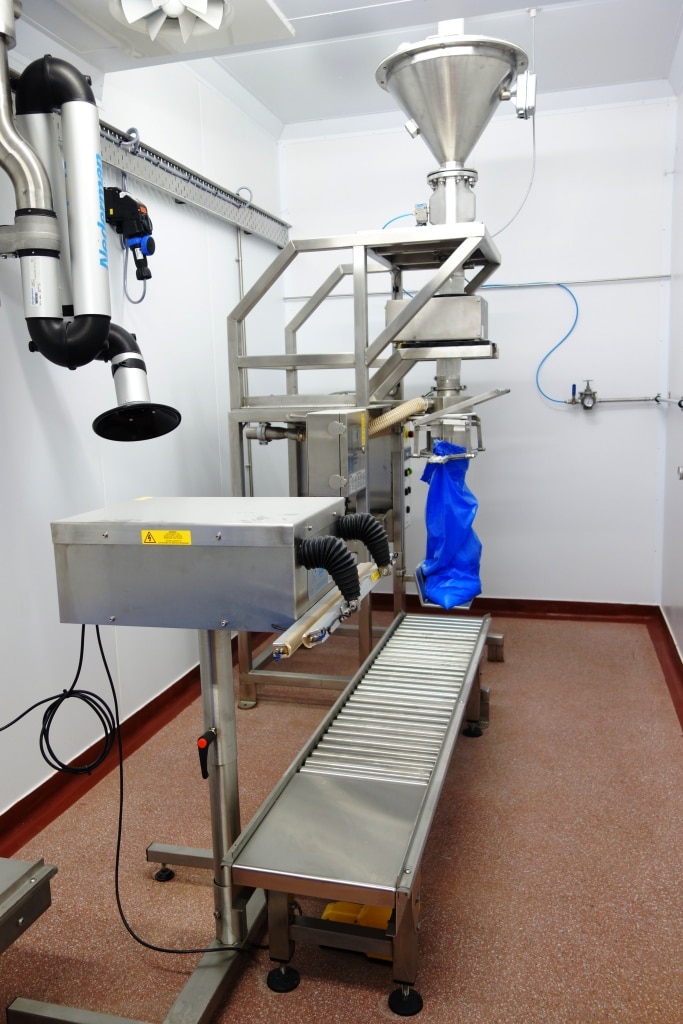
Ball valves are prone to clogging, causing restriction and sacks not being filled fast enough, thus slowing down production. Product can become lodged inside a knife gate valve body, not allowing the gate to seal 100%. The AKO Pinch Valve has minimum wear with the rubber sleeve inside being the only wearable and replacement part,…
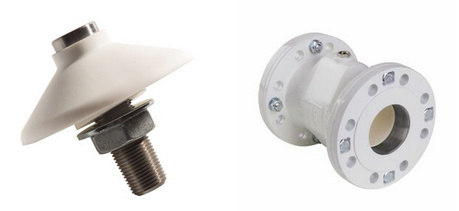
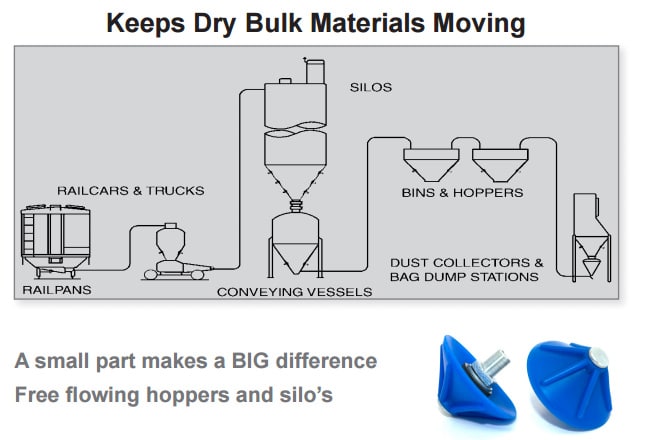
Air fluidisers are small and simple cone shaped components that solve bulk dry powder and granular material flow problems, acting as a flow aid. Bridging, caking, compacting and rat-holing are common reoccurring problems in large vessels including silos, hoppers and bins. A simple solution for solving this issue is to install air fluidisers around the vessel, which give off a gentle vibration using low volume directional airflow and aeration.
AKO UK are supplying their VMP plastic Pinch Valve in DN25 (product code VMP025-03XK-72) into a concrete slurry application, which is used as a fail safe option. The concrete slurry with very fine aggregates in size 0.3-1mm is used for robotic concrete printing.
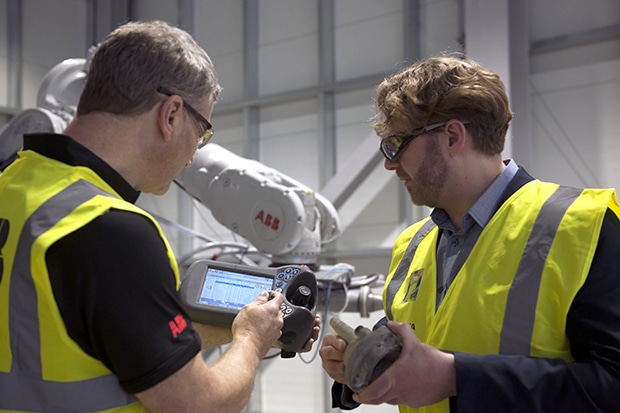
The world’s first commercial 3D concrete printing robot is currently in design production, with the aim to be used on site to produce a variety of elements including cladding panels.
We use cookies to ensure that we give you the best experience on our website. If you continue to use this site we will assume that you are happy with it.