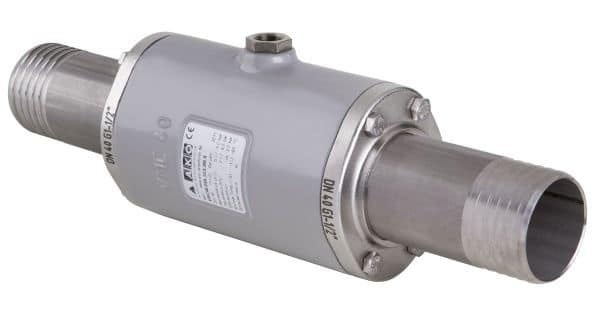
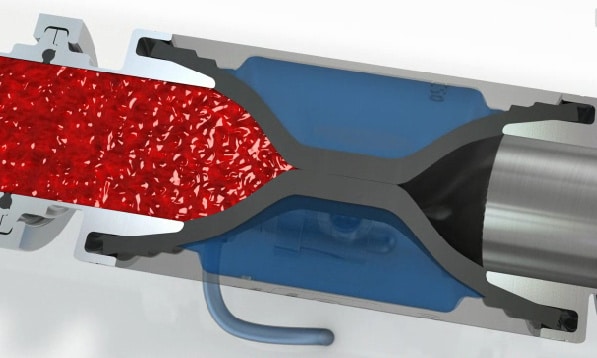
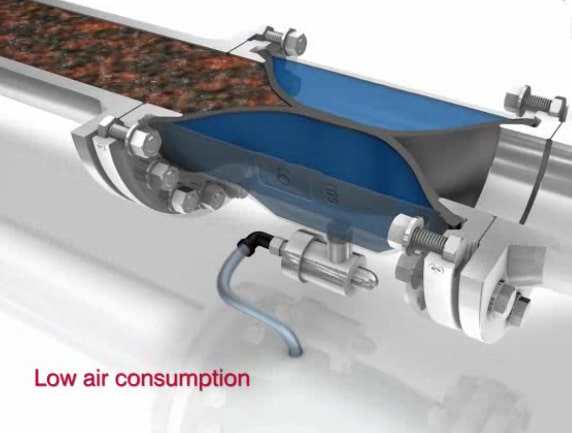
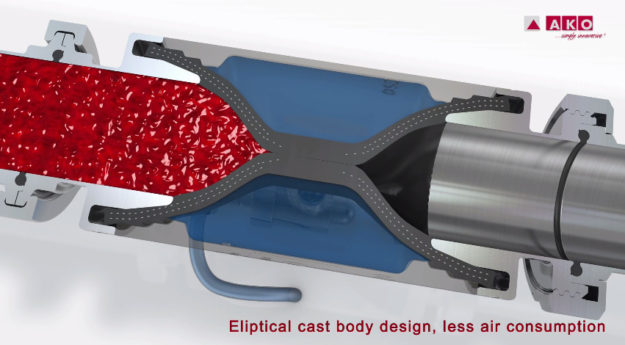
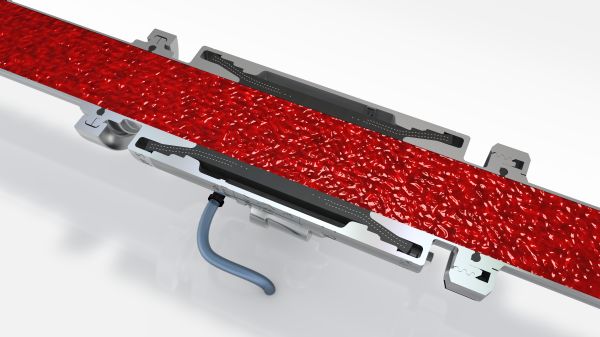
The Pinch Valve flow characteristics are inherent to the design of the valve. For instance, as the valve is opened, the flow characteristic allows a certain amount of media flow through the valve bore at a particular time. This is especially important for the choke/throttle control of the pinch valve because it controls the flow of media in a predictable manner.
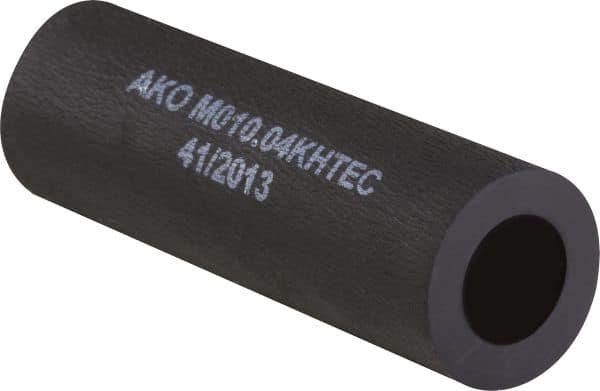
The Pinch Valve liner (also known as sleeve, hose, tube, diaphragm, bladder, rubber membrane etc) is the only wetted part to a Pinch Valve, making it the only part that needs replacing. The liners do need replacing and servicing from time to time, but because they are the only part that need replacing, this makes the total cost of ownership of a Pinch Valve much less compared to other valve types.
Bulk valves with a pinching rubber sleeve close tightly, whatever the product you are conveying. They are the ideal solution for handling bulk solids and liquids, and even the most abrasive media without wearing the rubber sleeve/hose. These pinch bulk valves are proving to perform better than conventional valve types such as ball valves and butterfly valves where the disc or seals can become clogged or damaged.
A bladder valve is the complete solution for handling abrasive, corrosive and fibrous products, as well as granulates, powders and slurries.
A bladder valve with mechanical functions can either operate with a hand wheel which is the manual type, or the pneumatic type is normally spring closed which requires air to open. Accessories suitable for mechanical bladder valves are solenoid valves, pressure regulator and limit switches.
If you are looking for a shut off valve, a soft-seated shut off valve is a better choice than another material or valve type. The reason for that is simple. It has the ability to make the highest level of seat leakage class possible, and their rubber seat folds into the shape of a lip every time to ensure full closure of the valve.
If your aim is to achieve a tight shut off, then soft-seated shut off valves are the best at achieving that.
Bladder control valves are the valve for the future. With its light weight construction, various reinforced rubber tube materials on offer, simple design, low cost maintenance, and flexibility to suit many applications, the bladder control valve is the way forward for a large range of industrial sectors.
A soft seated valve is available in different types including operation by air, manually or as a control facility. Today, there are still some industries in which this variety of valve is relatively new technically, when compared for example with ball valves.
Although valves like the ball valve perform reasonably in certain applications, the situation is changing for many users. Various industries irrespective of size are now seeking and adding alternative technology to their present systems, such as the soft seated valve.
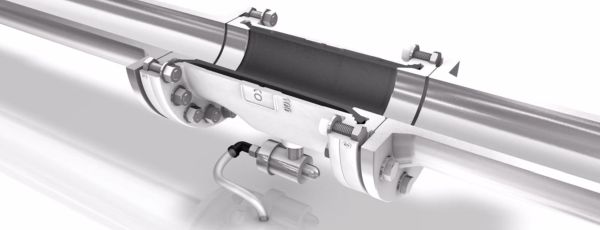
Shut off valves function most commonly by air, there are also two versions of an air operated valve. Firstly we have the normally open shut off valve function which, when no air pressure is applied the valve will fail open. There is a rubber tube inside the valve body, this rubber tube, also known as a sleeve, bladder, hose or membrane pinches/squeezes together once air pressure is applied shutting off the valve.
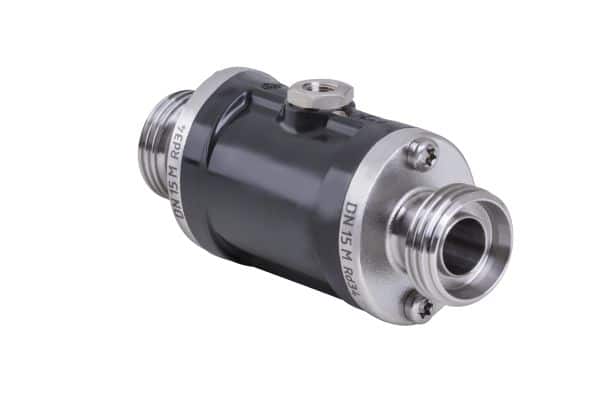
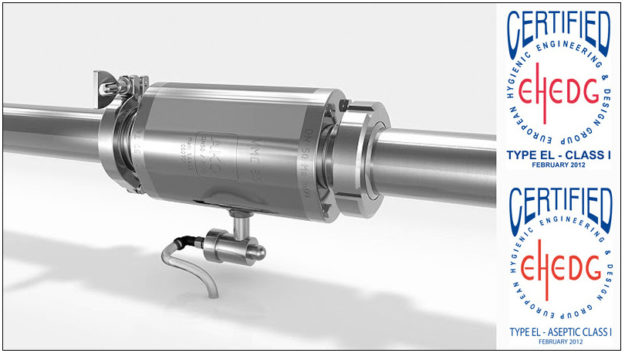
Hygienic soft seated valves are characterised by a free flow of product, guaranteed because of the nominal passage of all diameters. A hygienic soft seated valve is available in stainless steel to suit sanitary, pharmaceutical or food and drink industries, and also in aluminium for all other general applications.
Free flow valves (Pinch Valves) are a great choice for industrial applications that require precise flow control and shut-off of the flowing media. They are the most practical solution for proportional or on/off flow control of fibrous, corrosive, and abrasive products. These valves are also suitable for suspended solids, granules, and fibers, giving them an upper hand over conventional valves that mostly end up being plugged.
We use cookies to ensure that we give you the best experience on our website. If you continue to use this site we will assume that you are happy with it.