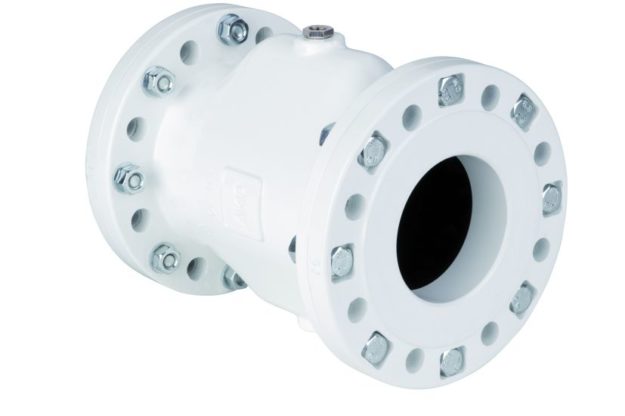
Pinch valves are increasingly becoming popular in industries that involve handling corrosive and fibrous materials. This type of valve is highly suitable for such applications because they use a 100% tight blocking method and have the ability to shut easily and quickly. Not only that, valves for chemicals with a pinching sleeve mechanism are known for the high versatility in applications with specific operating temperature requirements.
If you are in the market for buying a pinch valve or gate valve for a particular application but not sure which type will best serve the purpose, this article will prove to be helpful for you while we look at the pinch valve vs gate valve.
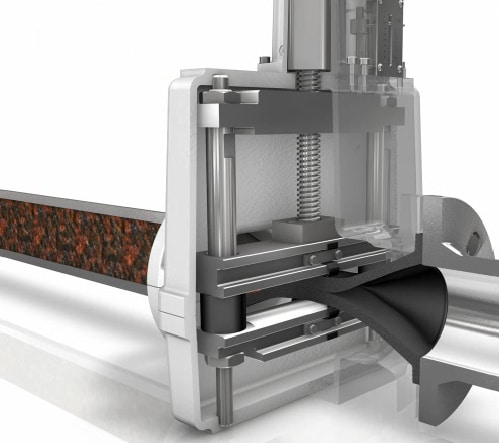
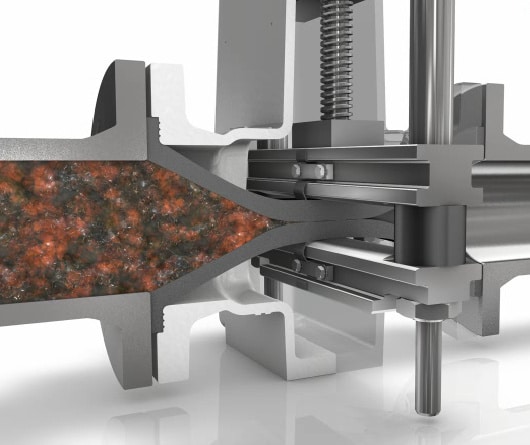
One of the main reasons why pinch valves are the optimum choice for controlling the flow of slurries across a wide industrial area is because they are embedded with a flexible tube that produces a 100% tight seal when it is pinched/shut off. When purchased from a reputed pinch valve manufacturer such as AKO, valves for slurry offer high quality, are up to industry standards, offer easy control over media flow, and the full bore design limits leakage to almost zero.
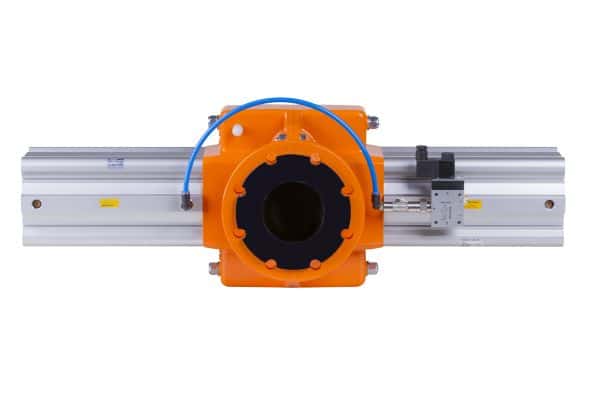
When media flows through the valve, pressure is applied into a nipple fitting on the side of the body, and the valve changes its position. Usually, the valve is normally open so that when air pressure is applied, the flexible hose with valves closes. On the other hand, a pinch valve can be kept normally closed, so alternatively will need air pressure to open the rubber hose.
Tight shut off valves with a rubber hose that squeezes closed are designed to fully open and close tightly to ensure zero leakage. These valve types are relatively simpler in terms of design and operation compared to a ball valve for example, allowing for a repeatable and reliable tight shut off operation. These squeeze-closed types of tight shut off valves are used as a safety function in applications where immediate cut off of the flow of media is of paramount importance.
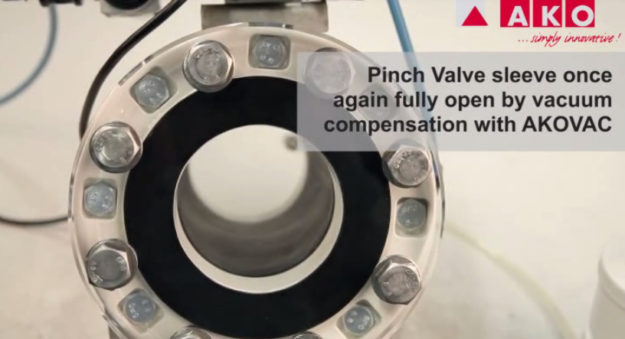
Pinch Valve vacuum technology puts great emphasis on the quality of the components and reliable functioning of pinch valves. Shutoff valves in vacuum systems are subject to several special requirements, apart from the general shutoff elements and their technical aspects. With pinch valve vacuum, the additional demands are met only when right shutoff devices are installed, taking into account the method of construction, operation, and size suitable for each application.
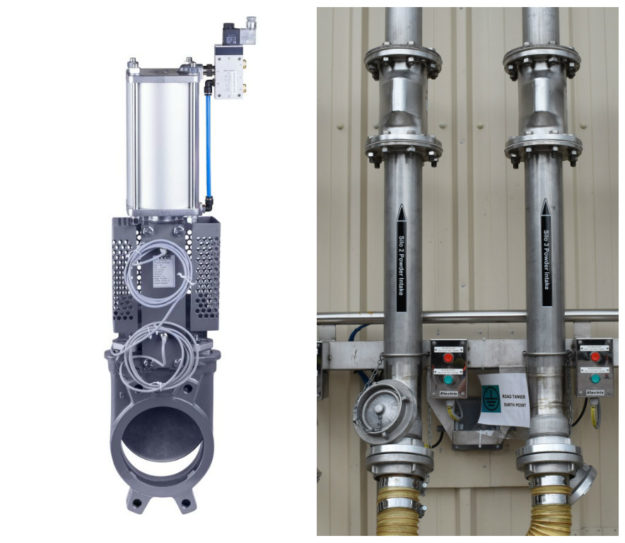
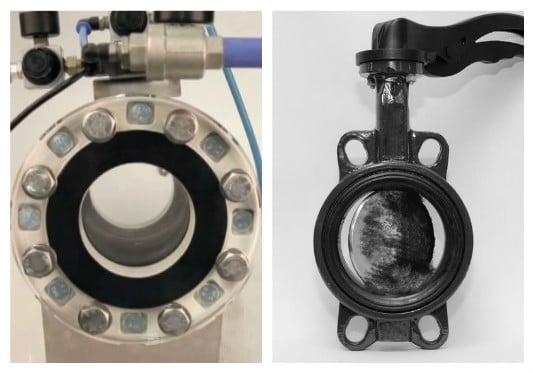
Controlled filling systems using butterfly valves are occasionally used on silo safety systems, but the flow through the valve is restricted by the butterfly disk, slowing down the filling process. The valve seat becomes contaminated with trapped product, resulting in spillage, waste and cross-contamination. The butterfly disk also wears very quickly increasing maintenance down time.
The use of a pinch valve eliminates these problems immediately.
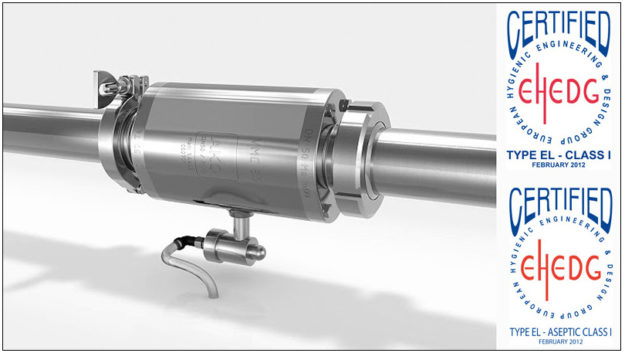
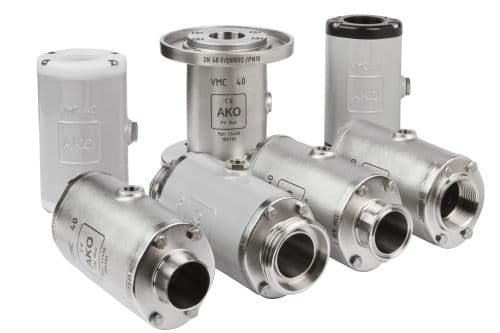
Valves for food are devices that are carefully designed while keeping in mind the stringent demands of industrial applications where cleanliness and sterility are essential, such as the food and pharmaceutical industry. Each component is made using materials that ensure efficient sanitizing and cleaning, giving users the confidence that the processing environment in their industry is free from any kind of contamination.
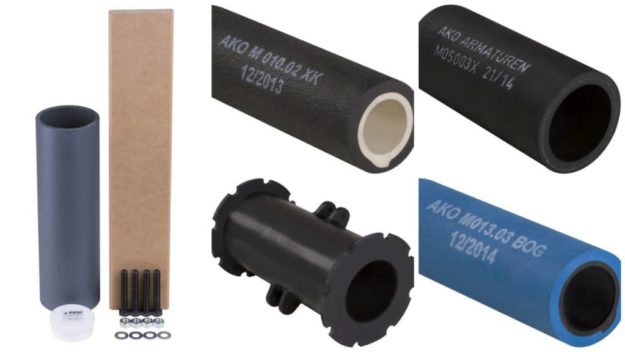
Wear resistant valves comprise of a rubber pinching tube inside the valve body that helps in controlling the flow of media. They have a robust construction and are very economical, which is why they are used in a wide range of industrial applications. The rubber sleeve is made up of high quality natural rubber and is the only part that needs to be replaced. Moreover, these wear resistant valve types require little to no maintenance and can be retrofitted in almost any application.
Manually actuated low clogging valves offer multiple features including maintenance-free operation, reliability, and cost-effectiveness. They are engineered to handle tough abrasives, slurries, and corrosive chemical flow media. The best part about manual low clogging valves is their 100% full port design that eliminates any crevices or dead spots in bearings or seats, where there is a possibility of slurry hanging up and impairing the entire operation, or in worst scenarios, cause complete valve failure.
We use cookies to ensure that we give you the best experience on our website. If you continue to use this site we will assume that you are happy with it.